
The Modern job search demands a new skill set mastering the virtual interview. While the core questions remain the same, succeeding online requires meticulous attention to technology, environment, and camera presence. This is your definitive, step-by-step guide to finding the best way to prepare for a virtual job interview, ensuring you stand out as a polished, professional, and prepared candidate.
If you are someone who is unsure about how to prepare for virtual interview, check out this detailed blog.
The Technical Test—Never Skip This Crucial Check
Let’s be real! end moment connectivity issue and tension leads to disturbances. Technical glitches are the leading cause of poor virtual interview performance. A frozen screen or muffled audio instantly shifts the focus from your qualifications to your connectivity. Prepare your to do list and verify before virtual interview.

How to Guarantee Flawless Tech for Your Interview
Internet Stability – Use a wired Ethernet connection if possible. If relying on Wi-Fi, ask others in your household to pause streaming or gaming during your interview time.
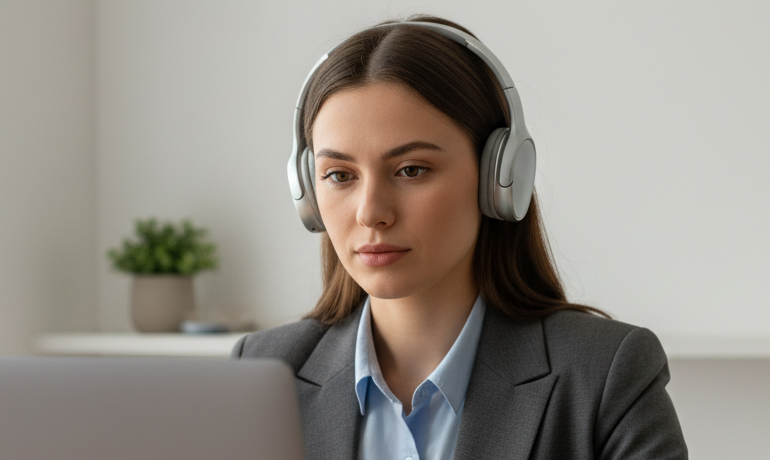
Audio Check – Test your microphone and speakers in the video conferencing app (Zoom, Teams, etc.) at least one hour before. Use good quality, wired headphones (like AirPods or a gaming headset) for the clearest audio reception.
Camera Position – Place your camera at eye level. Use a stack of books or a laptop stand to prevent an unflattering angle. Look directly into the camera lens, not at your own image on the screen, to maintain digital eye contact.
Backup Plan – Have a phone number for the interviewer and the meeting link ready on your cell phone in case your primary device or connection fails. You can say, “I apologize, my primary connection seems to be unstable. I will rejoin via my phone immediately.”
Creating the Ideal Professional Background
Your environment is an extension of your professionalism. In a virtual interview, the background you choose acts as your set design, and it must be free of distractions.

Key Considerations for Your Virtual Interview Environment
Neutral Backdrop – Choose a plain wall or a simple, organized bookshelf. Remove distracting personal items, laundry, or clutter.
Lighting is Everything – Natural light (facing a window) is ideal. If natural light is unavailable, use a lamp positioned *behind* the camera and facing you to light your face evenly. Avoid overhead lighting, which creates harsh shadows.
Noise Control – Inform everyone in your home/office about the interview time. Put pets in another room, silence your phone and computer notifications, and close the door.
Dress Code – Dress professionally from head to toe, even if the camera only shows your top half. This simple act mentally prepares you and reinforces a professional image.
Is it okay to use a virtual background in a job interview?”* While many platforms offer virtual backgrounds, it is best to use a real, clean, and neutral physical background. Virtual backgrounds can sometimes glitch or distract from your non-verbal cues.
Mastering Behavioral Questions with the STAR Method
No amount of technical preparation will compensate for weak answers. Behavioral questions—the “Tell me about a time when…” type—are critical. The most powerful strategy here is the STAR Method. This structured approach shows interviewers your thought process and problem-solving skills clearly.
Smart Questions
Interviews are two-way conversations. Preparing insightful questions for the interviewer demonstrates high-level strategic thinking and genuine interest.
What Questions Should I Ask the Interviewer to Look Smart?
Avoid asking questions about salary or basic company information you could have found on the website. Focus on high-value questions about strategy, culture, and metrics
1. Strategic Focus – What does success look like for this role in the first 6 to 12 months, and what are the key metrics I would be measured against?
2. Team & Culture – Could you describe the day-to-day collaboration style of the team, and how are remote or hybrid colleagues integrated?
3. Future Challenge – What is the biggest operational or business challenge the company expects to face in the next year, and how would this role specifically contribute to overcoming it?
4. Career Path (If applicable) – What is the typical growth trajectory for someone succeeding in this position?
Avoiding Common Virtual Interview Mistakes
Knowing the pitfalls is as important as knowing the preparation steps. A few small errors can completely undermine your polished performance.
Lack of Eye Contact – Tape a small dot or sticky note next to your camera lens to remind yourself where to look.
Reading Answers – Use only bullet point notes, not full scripts. Place notes slightly behind the camera.
Distracting Body Language – Sit up straight, keep hands visible to gesture naturally, and avoid swiveling or fidgeting.
Interrupting – Due to video lag, pause for one full second after the interviewer finishes speaking before you begin to answer.
FAQ
How long should my virtual interview answers be?
Your answers should be concise. Aim for 1-2 minutes for standard questions and *up to 3 minutes for behavioral questions using the STAR method. This is crucial for maintaining engagement over video.
Should I stand or sit during a virtual interview?
It is generally best to sit at a desk with your feet firmly planted. This grounding posture helps with focus and ensures your camera and microphone remain steady. However, if standing helps your energy and you can maintain a stable camera setup, that is acceptable too.
What should I wear for a Zoom or Google Meet interview?
Always dress as professionally as you would for an in-person meeting. This means a suit, jacket, or a button-down shirt/blouse, depending on the industry. Avoid busy patterns (like thin stripes) as they can cause visual distortion on video.
Is it important to send a thank-you note after a virtual interview?
Absolutely.
Finding the best way to prepare for a virtual job interview is a blend of mastering your message and controlling your medium. By meticulously testing your technology, setting a professional stage, and structuring your answers using the powerful STAR method, you transform the virtual environment from a hurdle into an advantage.
Remember the preparation checklist: Tech test 💻, clean background ✨, practiced STAR stories 🌟, and smart questions 🧠. Applying this level of detail demonstrates the high degree of organization and professionalism required for modern roles. Your ability to thrive in this virtual setting is a direct reflection of your ability to succeed in the remote/hybrid workplace. Now go show them your best!