
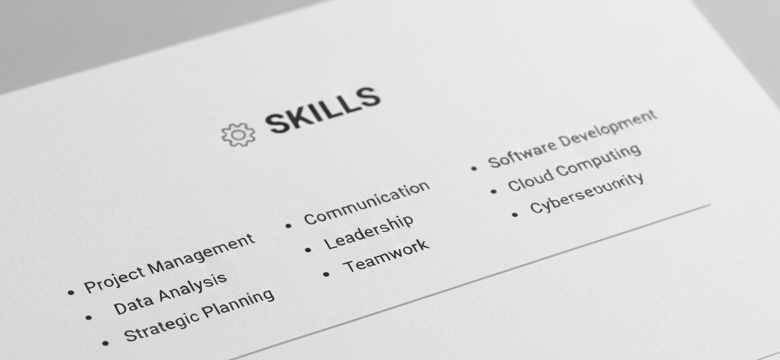
In today’s competitive job market, your resume has about six seconds to make an impression. To land an interview, you need more than just experience; you need the right top skills for resume sections that catch the eye of both Applicant Tracking Systems (ATS) and human recruiters.
Whether you are a seasoned professional or a fresh graduate, knowing which skills for resume to prioritize can be the difference between a rejection and a callback. This guide covers the essential hard and soft skills, how to research keywords for your industry, and how to present them effectively.
Why Choosing the Right Skills for Your Resume Matters
When a recruiter looks at your “Top Skills for Resume” section, they aren’t just looking for a list of words. They are looking for proof that you can solve their specific problems. Furthermore, most medium-to-large companies use ATS software to filter candidates. If your resume doesn’t contain the specific skills for resume keywords found in the job description, it may never reach a human hand.

Just like a blog post needs SEO to rank on Google, your resume needs “Resume SEO” to rank in an employer’s database. By identifying the primary keywords in a job posting—such as “Project Management,” “Data Analysis,” or “Customer Success”—and placing them strategically, you increase your visibility significantly.
Hard Skills vs. Soft Skills: The Perfect Balance
When you understand this one thing you have almost cracked the code of skills. To create a high-impact resume, you need a blend of technical expertise and interpersonal abilities.
Hard Skills (Technical Skills)
Hard skills are measurable, teachable abilities. These are often the “must-haves” in a job description. Always mention the skills which you are aware of or perform task in your career as this hits the direct questions during interview.
- Data Analysis: Proficiency in SQL, Python, or Excel.
- Digital Marketing: SEO/SEM, Content Strategy, and Social Media Analytics.
- Technical Writing: Creating manuals, documentation, and SOPs.
- Software Development: Java, C++, or Cloud Computing (AWS/Azure).
- Design: Adobe Creative Suite, Figma, or UI/UX principles.

Soft Skills (Interpersonal Skills)
Soft skills relate to how you work and interact with others. While harder to quantify, they are often what get you promoted.
- Communication: Verbal, written, and active listening.
- Leadership: Mentoring, team management, and conflict resolution.
- Critical Thinking: Problem-solving and analytical reasoning.
- Adaptability: The ability to thrive in changing environments.
- Emotional Intelligence: Self-awareness and empathy in professional settings.
Top 20 Skills for Resume in 2026 (By Category)
| Category | Recommended Skills |
| Technology | AI Prompt Engineering, Cybersecurity, Cloud Architecture |
| Management | Agile/Scrum, Strategic Planning, Budgeting |
| Communication | Public Speaking, Negotiation, Cross-functional Collaboration |
| HR Management | Recruitment, Pay roll, SAP, Employee relations |
| Design | Adobe Creative Suite, Figma, or UI/UX principles. |
| Analytical | Business Intelligence, Market Research, Forecasting |
| Data Analysis | Proficiency in SQL, Python, or Excel. |
| Software Development | Java, C++, or Cloud Computing (AWS/Azure). |
| Leadership | Mentoring, team management, and conflict resolution. |
How to Identify the Best Skills for Your Industry
You shouldn’t use a “one-size-fits-all” list. Instead, perform your own keyword research according to JD and key skills in Market.
Analyze the Job Description
Highlight every skill mentioned in the “Requirements” and “Preferred Qualifications” sections. These are your primary keywords.
Look at Industry Trends
Use platforms like LinkedIn Economic Graph or to see which skills are trending in your specific field. For instance, “AI Literacy” is currently one of the fastest-growing top skills for resume entries across all sectors.
Use Long-Tail Keywords
Instead of just writing “Marketing,” use a long-tail version like “Multi-channel Digital Marketing Strategy.” This adds specificity and helps with ATS scanning.
5 Expert Tips for Listing Skills
- Be Honest: Never list a skill you couldn’t explain or demonstrate in an interview.
- Quantify Results: Whenever possible, attach a number to a skill. Use percentages, dollar amounts, or time saved.
- Match the Tone: If the company culture is formal, use technical language. If it’s a startup, use more modern, conversational terms.
- Organize by Relevance: Put the most important skills for that specific job at the top of your list.
- Keep it Updated: Skills like software versions or specific regulations (like GDPR) change. Ensure your list is current for 2026.
MUST READ
Best Way to Prepare for a Virtual Job Interview
Master the STAR Method Best Interview Answers Strategy (2025) Check out Now
Why 93% of Students Want an Internship Before Taking a Job?
How to Answer: ‘Why Should We Hire You?’ – Best Examples for 2025
Resume Tips AI Prompts: Smart Prompts to Build a Winning Resume in 2025
HR Interview Questions and Answers for freshers 2025
The 7-38-55 Rule for Job Interviews: Master Non-Verbal Communication and Get Hired
Difference between CTC vs In hand/Take home Salary, Why this is Important in Jobs
Know Everything about CTC (Cost to Company) you need to know as a employee
FAQ
How many skills should I list on my resume?
Aim for 10–15 skills in total, split between hard and soft skills. Quality is always better than quantity.
Should I include “Microsoft Office” as a skill?
Only if it is specifically mentioned in the job description. In 2026, basic computer literacy is usually assumed. Instead, focus on advanced functions like “Excel Pivot Tables” or “VBA.”
Can I list skills I am currently learning?
Yes! You can list them as “In Progress” or “Certification Expected [Date].” This shows a growth mindset and initiative.
What are the best skills for an entry-level resume?
Focus on transferable skills like communication, time management, and any technical tools you used during internships or university projects.
-
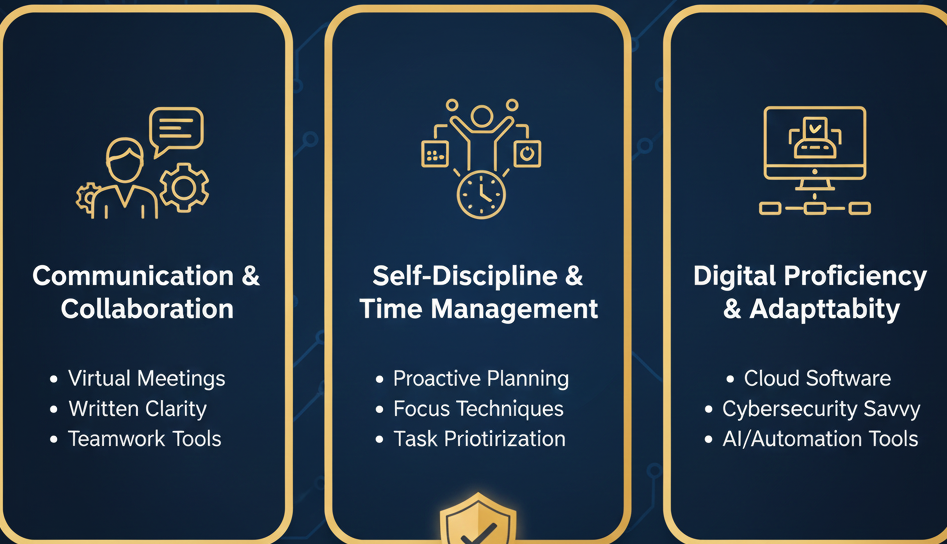
Top Skills for Work From Home Jobs in 2026
“So, is remote work still a thing in 2026?” That’s the question I get asked almost every day. The answer is a resounding yes—but the game has changed. We’ve moved past the “can you use Zoom?” era. In 2026, the top skills for work from home jobs are all about independence, advanced AI collaboration, and…
-
Where to Place Skills on Your Resume Get Noticed Now
Have you ever spent hours perfecting your bullet points, only to wonder, “Wait, where do I actually put my skills so a recruiter sees them?” You aren’t alone. One of the most common questions I get is about the literal real estate of a CV: where to place skills on your resume. If you tuck…
-

8th Pay Commission Salary Calculator: Comprehensive Guide to Expected Hikes in 2026
The anticipation surrounding the 8th Pay Commission is reaching a fever pitch as central government employees and pensioners look toward January 1, 2026. Understanding how the transition from the 7th to the 8th Central Pay Commission (CPC) will impact your monthly take-home pay is crucial for financial planning. This guide explores the mechanics of an…